-
What are the best selling items to export bulk clothes?

The sale of clothing is widely recognized as a highly lucrative and sustainable industry. Exporting apparel has many benefits, and if the correct approach is taken, it can be very profitable.
Joining foreign markets can increase domestic firm turnover and enhance creativity as firms try to create goods that meet the target market’s requirements. On the other hand, exporting products can pave the way for growth by increasing sales and boosting business profits.
For international apparel exporters, exporting bulk clothes is an intelligent strategy today. As is apparent, some items, like women’s apparel, lacy bras, shape wear, crop tops, and body-con dresses, are always in demand and make excellent exports. This article will discuss bulk apparel exporters and the countries that export the most garments globally.
Which clothes are more exported?
Textiles and clothing have been worn by humans for thousands of years, adapting to new climates, social norms, and fiscal realities. The option of conventional apparel has undergone significant change due to globalization and shifts in the fashion business around the globe.
Because of growing interest in the latest styles and developments in the clothing industry, men and women are altering their clothing more frequently. Today’s consumers are spending more money on clothing than ever, so international apparel exporters are responding by offering more options than ever. For precisely these reasons, countries that varied their output advanced in the textile and clothing industries.
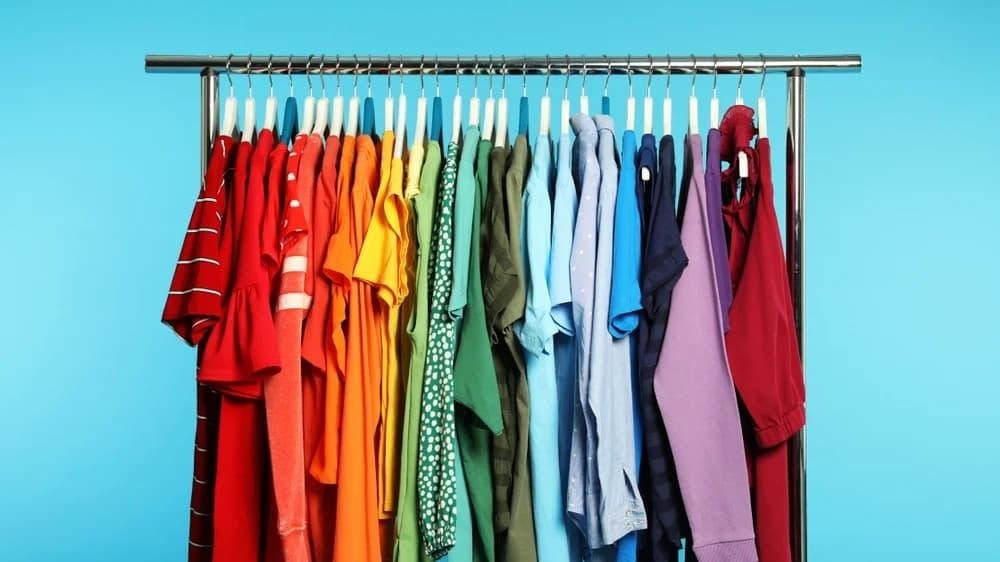
Here is a list of the most in-demand garments bulk apparel exporters sell in B2B Marketplaces:
- Hoodies
- Joggers
- All-over print long Line sports bra
- Shapewears
- Lace bras
- One-piece swimmers
- Strapless bras
- Body-con dresses
- Crop tops
- Fleeces
- Push-up leggings
- Trousers
- Shorts
- Jeans
Who is the largest exporter of these clothing?
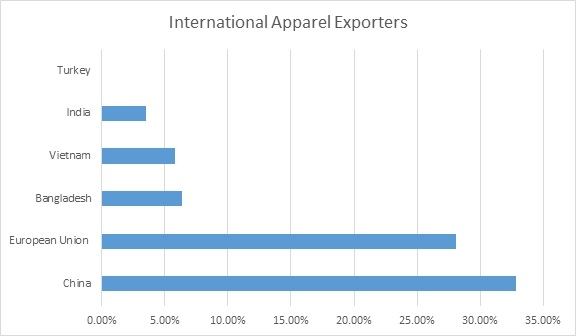
The clothing industry is anticipated to be utilized more frequently in fields like transportation, building design, and home furnishing. On the other hand, the textile and clothing industry will thrive as long as it adapts to new technologies. So international apparel exporters can now devote more time and energy to their core business. Let’s take a peek at which country exports the most clothes globally.
- China
China’s textile business is the biggest producer and supplier in the world. China alone accounted for $4.8 billion in textile exports in recent years, surpassing the total value of all other nations on this section of our chart. Production costs, raw material quality, industrial structure, cutting-edge equipment, domestic customer demand, international demand, labeling innovations, and workflow are all elements propelling the industry forward in this country. China exports the second-most men’s shirts, after Bangladesh, and third-most apparel, accessories, after Italy and South Korea.
- Germany
The German textile and apparel industry has a rich heritage of producing high-quality goods and is known for its ingenuity and adaptability. Knitwear cloth, synthetic thread, and equipment are some of Germany’s most popular exports. The country is renowned for producing high-quality apparel and textile items and is the second-largest producer of garments in the globe.
- Bangladesh
Bangladesh has become a significant player in the global apparel sector in recent decades. A large and inexpensive working population is one of the country’s most significant advantages. Many international apparel exporters and companies have been attracted to Bangladesh because of the country’s cutting-edge manufacturing facilities and high-quality goods. The textile industry in the country generates a total of USD 38.73 Billion in annual revenue, making it one of the world’s largest exporters. With larger orders of value-added products from major worldwide brands, Bangladesh’s cloth sector is expanding quickly.
- Vietnam
Vietnam’s cloth sector has profited from the diversification of supply networks by both makers and consumers due to cheaper labor costs and the emphasis on specialty, automation, and growing value addition. Vietnam is the fourth largest apparel exporter in the world, with a total trade volume of USD 37.93 Billion.
- India
India has one of the biggest clothing and textile industries in the world. The Indian textile industry can be divided generally into two categories: First, the handloom, handcraft, and sericulture industries, which are run on a modest scale using conventional instruments and techniques. The second is the more structured one, which uses cutting-edge tools and methods like economies of scale. India ranks fifth among the world’s largest exporting countries with an annual export value of $37.11 billion.
- Italy
The Italian textile industry is the best in the world, producing high-quality clothing from various fabrics like cotton, linen, silk, and wool. The textile business in Italy is highly focused on exports, with a USD 36.57 Billion sale worth.

10 trendy fashion items for spring 2023
- Turkey
Turkey’s textile and apparel industry play a significant part in international apparel exports thanks to its ability to produce high-quality goods across various categories. Turkish cloth exports are now worth an estimated US$27.56 billion. Due to its remarkable design capabilities, cutting-edge solutions, agile and adaptable manufacturing capabilities, and emphasis on product quality, worker safety, and environmental sustainability, Turkey’s textile and clothing sector is flourishing.
- United State of America
Based on the worth of its cloth exports, the United States ranks eighth worldwide. Non-woven, Specialized, and Industrial Fabrics, as well as Medical Textiles and Safety Clothing, are the United States cloth industry’s strong points.
- Hong-Kong, China
Hong Kong is the world’s ninth-largest producer of apparel and textiles, with a total worth of USD $20.43 billion. Furthermore, the country is a significant producer and supplier of fine-gauge cotton needlework, knit-to-shape panels, denim, and cotton spun into yarn.

- Spain
One of Spain’s most prominent economic sectors is the production of textiles and textile equipment, which includes everything from spinning and sewing fibers to coloring and completing garments. Spain’s exports are worth USD 20.20 Billion, placing it 10th globally.
Which countries are buying the most clothes?
Australians spend an average of $1,050 annually on clothing, whereas Canadians spend approximately $831 annually. The U.S. ranks fifth with $686, while Japan ranks third with $814. China, the United States, Britain, Germany, and Japan are the five biggest shopping marketplaces in the globe.
Expenditure on clothing per capita (in US dollars):
Australia $1,050 Canada $831 Japan $814 EU-27 members $663 United States $686 Russia $272 Brazil $273
China $109 India $36 Conclusion
Products always in demand in different parts of the globe include clothes and apparel. Women’s clothing, such as lace bras, shape wear, crop tops, and body-con dresses, are in high demand and make excellent exports; therefore, international apparel exporters can engage in them. Other desirable categories of bulk apparel exporters include hoodies, joggers, all-over print longline sports bras, Shapewear, lace bras, jeans, fleeces, shorts, and bras. China, the United States, Vietnam, Turkey, and Italy have been the countries that have exported the most cloth and apparel around the globe in recent years. According to the statistics, the countries that spend the most money on clothes are the United States of America, Australia, Canada, and Japan, followed by European countries.
-
10 trendy fashion items for spring 2023

Bright colors and sharp silhouettes will be in style in spring 2023. The focus this season is on updating classic styles for a modern audience. This year, we go out with cargo trousers, transparent dresses, and edgy accessories. International apparel brands this spring play with a broader color palette and explore various materials, patterns, hues, and designs.
We have assembled the essential pieces, hues, and styles to help you start the season on the right foot. If you enjoy looking good and trendy, keep reading, we’re here to guide you through the complexity of options.

10 top fashion trends
Following is our selection of the most significant fashion trends from the presentations, all of which can now be incorporated into your outfit.
- Cutout skirts and dresses
Cutout dresses, such as the cutout halter neck cotton gown, the plissé-lamé maxi dress, and the draped silk-satin and silk-voile maxi dress, have been popular for 2023 at ceremonies and on the catwalk. Instead of the typical torso-based cutouts, you can experiment with a shape that exposes your under boob, rib cage, or even your complete side. These body-con dresses are bold but can be dressed in a longline sweater or coat.
- Cargo pants and skirts
This includes all loose-fitting trousers, durable fabrics, cargo skirts, cargo pants, cargo jackets, cargo twill midi skirts, boiler suits, and nearly anything with pockets. Buying a pair of cargo trousers with multiple pockets can be the best choice. This trend can be worn with a simple white singlet, stilettos, or thick boots. Bright colors or comparable tones can also be used to set this style.

- Sheer dresses
For the upcoming spring/summer season of 2023, sheer textiles have been trendy. This season’s fashion is focused on lace-trimmed nightgowns, overlays, and transparent evening gowns.

Buying Wholesale Jewelry for Resale? 5 Tips for your Business
- Ballet flats
The season’s most popular shoe, the ballerina flat, has endless styling possibilities. These shoes with audacious mesh accents and pointed silhouettes in pastel hues such as white, pink, ivory, and baby blue are ideal for this trend. You can pair them with a longline skirt and jacket, a wrap cardigan or a long-sleeved blouse, and a flowing skirt that falls just above the calf.

- Multi-color knits
This season brings vivid colors and entertaining designs, focusing on lively tones and colorful motifs. Multicolored knitwear is versatile and can be worn with anything from blue denim shorts with a tiny skirt. What makes this style so appealing is its adaptability.

- Large shoulder blazers
This style can make you look incredibly modern and artistic. You’ll see this cut often in blazers; it gives the wearer the impression of broad shoulders and a trim midsection. You can rock this season’s style of large blazers with anything from a basic miniskirt to a suit to your favorite pair of jeans.

- Patterned dresses
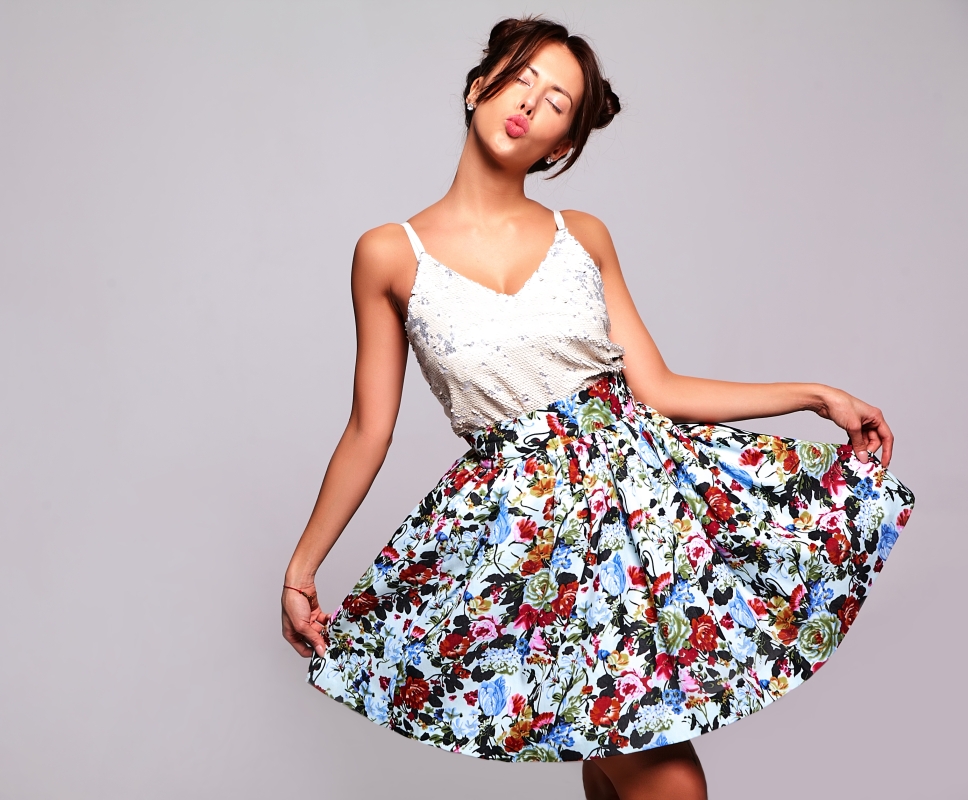
This year, international women’s apparel brands are focusing on matching pattern outfits. They’re adorable, comfortable, and versatile enough to be worn almost anywhere; furthermore, you can easily wear this style without the hassle of searching for a complementary hue. The unique quality of these garments is the elegant silhouette they create on the body.
- Cutout pants
These slashed-up pants are a bold fashion statement. These trousers will look great with a simple T-shirt and a tailored blazer.

- Leather matching outfits
Ahead of the upcoming fashion season, two-piece leather or faux-leather ensembles are the trendiest attire combination. Smooth leather or leather-like shorts, trousers, and skirts are worn with complementary coats, blazers, and blouses.
- Neon and bright accessories
These neon colors aren’t seen on many clothes this season, but are everywhere in the season’s must-have accessories. Accessories like shoes, purses, eyeglasses, and jewelry in neon colors can breathe new life into an outfit based on neutral colors.

Wholesalers can plan for the spring of 2023 and buy bulk clothes from prominent brands. In addition to the benefits of ease and cost reductions, shopping at an online apparel supplier and trendy wholesale clothing distributors also gives you access to a wide variety of choices.
Because it is challenging to search for clothing in large amounts, a clothing wholesaler sells clothing in large quantities, making it easy to select the best trendy clothes. Bulk apparel buying will help you keep up with the constant changes because customers have very different needs, and changes are happening all the time. Before selecting a textile wholesaler, remember they must be dependable and provide outstanding value.
What is the color for 2023 in fashion?
Soft sunny yellow, baby pinks, and baby blues are some spring hues that excite us in the sunny months ahead. There are many colors to choose from in the 2023 fashion color trends. Here are the fashion color patterns that the experts predict you will be donning, from warm oranges to bright magentas.
- Viva magenta
Viva magenta has a rich, pinkish-red hue. It matches really well with khaki or turquoise, adds a theatrical accent to gray or navy, and looks excellent with subtle purple, pink, and blue hues. It symbolizes originality, empathy, and freedom.
- Blood orange
Blood orange is a vivid hue that can be paired with either subdued or bright tones. If you work in a workplace, wearing an orange jacket with khaki pants may make your outfit feel more costly and reflect your unique style.
- Teal
For the spring, try a shade of teal blue; it’s energizing and eye-catching without being excessively masculine or feminine. It can be set with black and dark pieces.

- Pastel pink
New, light pink hues are appropriate for wearing exquisite silk shirts and casual cardigans this spring.
- Lavender
Lavender would be a wonderful neutral hue to add to your spring attire; it’s soothing, warm, and timeless, but it can also be inspiring when dressed correctly. It can be worn with a traditional white T-shirt and jeans.

- White
The white-clothes style, which finds its roots in the 1960s, is modern and easy; it’s great for creating sharp silhouettes and can be worn year-round. You can wear it in any manner you like because of its adaptability.
- Eggs blue
For the spring of 2023, egg blue is a versatile hue that can be styled in various ways.
- Olive green
Olive green, a color typically associated with informal attire, such as this season’s fashion staple, the cargo pant, has received a glamorous transformation in 2023. It goes well with other bright spring colors.
What products are popular in 2023?
Fashion gurus believe embracing your style is more important than following the latest trends. Cargo trousers, denim, and adaptable silhouettes are all endorsed by spring 2023 exhibits as utilization trends. The following are some of the most popular clothing items for 2023:
- Cargo pants
- Sheer clothes
- Maxi skirts
- Cutout clothes
- Denim
- Mini dresses and skirts
- Ballet flats
- Patterned dresses
Conclusion
Spring 2023 is full of new trends for all preferences. You can select from cutout dresses, casual dresses, and cargo trousers. Cargo trousers are a must-have and look great in an olive green tone, and cuts in blood orange or blue can make you look amazing. Wear neutrals in spring 2023 and simply pair them with other hues. Retailers can prepare for spring 2023 by ordering larger quantities of fashionable clothing from international apparel brands.
-
Buying Wholesale Jewelry for Resale? 5 Tips for your Business

For many individuals throughout the globe, wearing jewelry is a must-have fashion statement. Thus, the demand for jewelry has increased dramatically, as has the number of people entering the jewelry business in hopes of generating a profit. Pretty jewelry draws attention to an otherwise routine dress and makes its wearer feel more confident and unique.
Thanks to the efforts of producers, wholesalers, and retailers, jewelry, like many other products, is now available online, where it can be bought at wholesale costs and from the comfort of one’s own home. Now, customers can purchase various high-quality jewelry goods worldwide and save money if they buy jewelry wholesale. Here are some suggestions if you want to buy wholesale jewelry for resale.
 5 Tips for buying jewelry wholesale
According to statistics, the jewelry industry is quite profitable. This primer will provide you with the information you need to buy jewelry wholesale and resell it successfully.
- Buying wholesale jewelry from online b2b marketplace
There are a few essentials to keep in mind while seeking wholesale suppliers. The wholesaler’s credibility should be your first consideration. The reputable wholesaler should provide the goods on time and at the level of quality that the market demands. For legal reasons and to verify the legitimacy of the buyer’s business, the wholesaler will almost certainly ask for the retailer’s tax id or a reseller’s permit number. Evaluating the goods and pricing of many vendors is recommended to get the most value for your money.
The B2B marketplace is an online platform for connecting with clients and buying wholesale fashion jewelry. In B2B online marketplaces, you may discover an abundance of high-fashion and pretty jewelry options. Moreover, they are factory-direct, so the pricing is excellent.
- Benefits of buying wholesale jewelry for resale
Buying wholesale jewelry for resale is significantly more economical if there are no additional shipping costs. You can’t go wrong with jewelry, so if you’re currently in retail and planning to open an online shop soon, you’re already ahead of the game. The benefits of buying wholesale jewelry for resale include:
- No-risk investment: As opposed to starting from scratch, designing jewelry, purchasing materials, hiring employees, and then releasing the jewelry to the market, it is far more cost-effective to buy jewelry wholesale and resale it at a retail price.
- Leads to increased income: Nowadays, the internet is a bustling marketplace where people can find everything, including jewelry. By buying wholesale trendy jewelry and selling them online, you may reach more clients all over the globe without the expense and risk of opening a physical shop.
- Helps you diversify: There is a wide variety of jewelry to choose from. You can focus on various jewelry types as an online jewelry wholesaler and retailer:
- Cheap fashion jewelry: Cheap jewelry is trendy for a short time and goes out of style. You can buy cheap wholesale jewelry and profit from its high resale rate.
- Body jewelry: If you want to buy jewelry wholesale, nose rings, belly button rings, tong rings, eyebrow rings, and other piercings are the best.
- Plated jewelry: The most popular kind of jewelry is gold-plated. It provides fine crafts made from noble gold and other skin-friendly materials for less money than gold jewelry.
 How to become an international jewelry wholesaler in 2023?
- Pay attention to trendy wholesale jewelry
Instead of selling what you like, sell what the market demands. Remember that not every piece of jewelry is fashionable. So do some market study and buy trendy wholesale jewelry if you want to see real gains.
- Improving negotiation skills for price of jewelry from international suppliers
Suppliers of wholesale jewelry deal in large quantities. They will provide a more significant discount the more you purchase; the greater the discount, the greater your profit margin per sale as a merchant. Therefore, strengthen your negotiating abilities by researching the market, entering conversations with a specific objective, and allowing your provider to do the talking.
- Effective ways to promoting jewelry online
The best way to promote your online jewelry store is to display wares that appeal to your intended clientele. The way you show your work will have a significant impact on your standing. Remember that jewelry is meant to make the wearer feel beautiful; thus, showing it perfectly will increase sales. Choose your marketing tactics and distribution channels to promote your goods, such as SEO, social media marketing, email marketing, regular newsletters, paid advertisements, and organic promotions.
Conclusion
Buying wholesale jewelry gives various affordable, one-of-a-kind, high-quality, and long-lasting options. You can find and take advantage of wholesale jewelry suppliers. Due to the strong demand for jewelry, buying wholesale and reselling at retail is quite lucrative.
-
How to become an international jewelry wholesaler in 2023?

Jewelry is a sought-after commodity and a good choice if you’re looking to launch an online business. As consumers become more trend-conscious, the wholesale jewelry market has boomed. Like other wholesale industries, jewelry wholesalers buy bulk from producers and suppliers, then resell the goods at deep discounts to retailers.
As a result, a jewelry wholesale business allows you to acquire and sell jewels at a discount from their retail price. Meanwhile, bulk business does not always imply purchasing in large numbers but at a lower price than retail. If you are interested in this industry and ready to begin selling wholesale jewelry, our professional guide has all the information you need.
Why should you sell wholesale jewelry online?
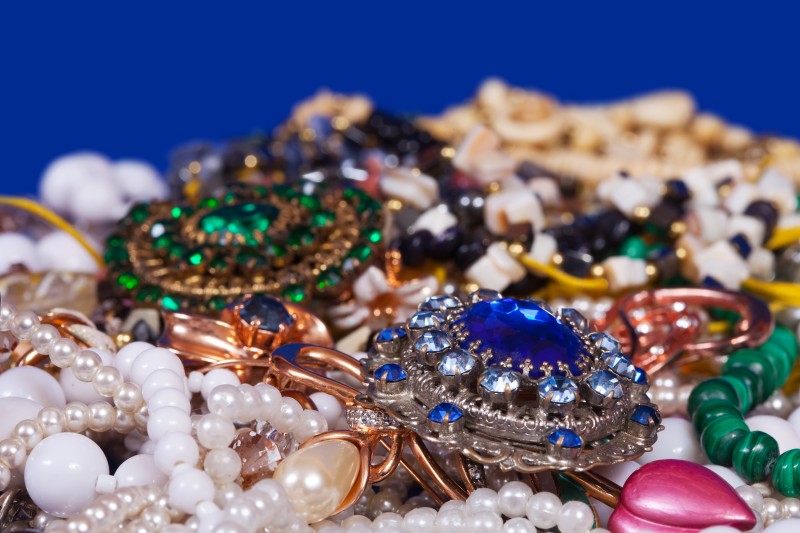
Both men and women find jewelry to be a highly appealing fashion item. You can sell a wide variety of jewelry, including necklaces, bracelets, watches, belly rings, earrings, anklets, and more, as a jewelry wholesaler. Since jewelry is a consumer product with no geographical restrictions, you can offer wholesale jewelry online.
Additionally, these goods are available in various styles, forms, and materials, including diamonds, pearls, steel, beads, and rubies. For a product of this variety, it is evident that there is always something unique to offer clients. Here are some reasons to sell online bulk jewelry:
- Increased sales
The Internet is a bustling marketplace for selling everything, including jewelry. Consequently, starting an online jewelry shop is a practical approach to assist customers in discovering their new favorite gem, as well as a location to export jewelry.
- Secure future
Almost every day, millions of individuals purchase jewelry as a commodity and consumer good. Therefore, if the wholesale jewelry market employs a suitable strategy for advertising and running their business, they will never run out of clients.
- Profitable
With so many people throughout the globe looking for jewelry, it’s no surprise that the business is lucrative.
- Simple shipping
Jewelry items are more compact and straightforward to transport or package than other things like electronics or kitchenware.
- Diverse
For your online jewelry business, you have a lot of alternatives to choose from. As a jewelry wholesaler, you can focus on beads, gold, diamonds, gemstones, or perhaps all of these. You can narrow your attention to specific jewelry pieces, such as rings, bracelets, watches, etc.

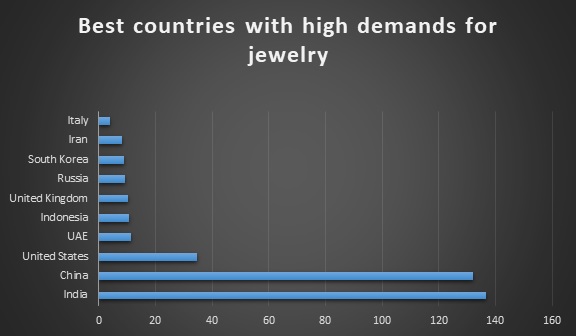
Best countries with high demands for jewelry
Even though many people see gold as a secure investment, gold jewelry remains an integral element of various cultures, frequently for reasons related to its investment value. Traditions, such as wedding rites, fuel the demand for gold jewelry in many nations and make these countries a perfect destination to export jewelry. Statistics show China and India are the greatest options for selling gold jewelry wholesale.
The ten nations with the most significant consumption of gold jewelry are shown below:
- India
- China
- S.
- UAE
- Indonesia
- United Kingdom
- Russia
- South Korea
- Iran
- Italy
Important B2B markets to become an international jewelry wholesaler
To become an international jewelry wholesaler, you need to find the top B2B online platforms that can meet your demand quickly and at the most competitive costs. Some of the best B2B platforms for selling and buying bulk jewelry include:
- Alibaba
Alibaba is the biggest online marketplace for B2B transactions and retail and consumer sales. For jewelry wholesalers, the China b2b commerce websites also provide online payment systems, search engines, and cloud data storage.
- DHgate
DHgate is a tiny B2B trading website that enables global importers to purchase modest quantities of Chinese items at wholesale pricing. Also suppliers can register for free.
- IndiaMart
IndiaMart is the biggest B2B marketplace in India. There are almost 35 million customers, 4 million suppliers, and 43 million goods on this platform. Suppliers can register free and create a small website to showcase their products.
- Madomart
Madomart is a brand-new worldwide source for wholesale goods and an international marketplace. This marketplace offers the most affordable bulk jewelry purchases.
Strategies to start wholesale jewelry online
When beginning a business, various procedures and tactics are required for effective brand positioning. Here are some strategies for launching a wholesale jewelry business online.
- Research and identify your jewelry specialty
- Make a business plan
- Identify your target audience
- Research about your competitors
- Choose your distribution platform
- Find a jewelry provider
- Choose your products
- Price your jewelry reasonably
- Take expert photographs of your products
- Advertise your online jewelry store
Conclusion
If you are searching for a product to sell online that is in high demand and has a lot of potential, you should consider jewelry. Putting oneself out there might be terrifying at first, particularly in a competitive industry like the jewelry business. Running a jewelry wholesale company enables you to buy and sell jewelry at substantial savings off the retail price. You must choose a strategic plan before launching your jewelry wholesale business online.
-
Op-Ed | When Sustainable Fashion Does More Harm Than Good
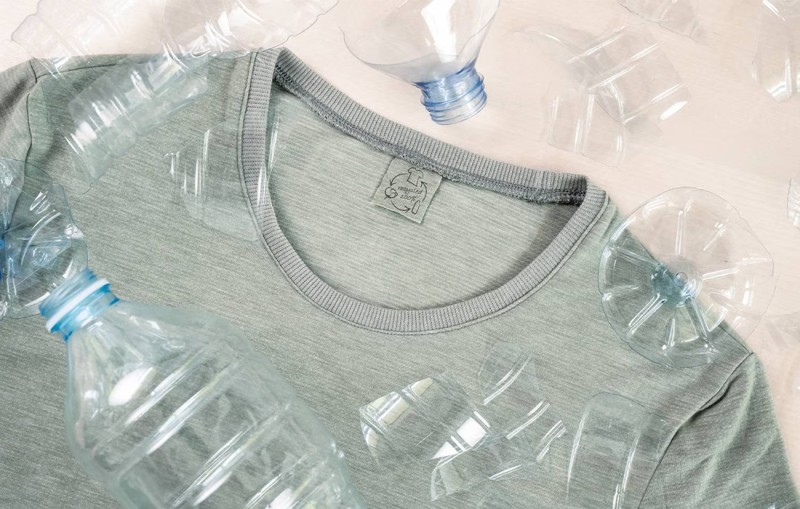 From products made of recycled plastic to take-back programmes, some of fashion’s favourite sustainability solutions are problematic, argues Beth Esponnette.
Replace “sustainable” with “less bad” in today’s fashion headlines and you get a more accurate picture of reality: “Less Bad Fashion Trends You Need To Know In 2023.” “Less Bad Fashion Influencers Take On Fast Fashion.” “Building a Less Bad Fashion Industry in 2023.” “Less bad” than the status quo is how I have come to make sense of the industry’s attempts to sell itself as more sustainable. But some of fashion’s favourite sustainability solutions can actually result in outcomes that are worse than the status quo.
Take the use of deadstock fabric. Deadstock is material that’s been cast aside, whether for defects or simply because a brand chose not to use it. It’s the stale bread of the industry. Utilising deadstock fabric instead of fresh fabric is a popular sustainability solution. But pushing this approach at scale can result in unintended consequences, creating demand for materials that shouldn’t exist in the first place. Deadstock materials are a direct result of overproduction and by purchasing them in high quantities the industry is incentivising their continued existence.
Another popular sustainability solution that creates demand for materials that shouldn’t exist is recycling single-use water bottles, made of polyethylene terephthalate or PET, to make clothing. The number of garments made from PET that have spoken to me recently makes me shiver: “I’m made of 8 water bottles!” “You used to drink from me.” “Thanks for rescuing me!”
It’s easy to think of recycling water bottles into clothing as upcycling since we think of single-use plastics as trash and expect to wear a piece of clothing at least a few times. But transforming water bottles into clothing is actually moving down the lifecycle chain. Those water bottles could have become bottles again. But now, beverage brands and clothing brands compete for used bottles, and when they are turned into clothing they can never become a bottle again, and are unlikely to become clothing again either, reducing their lifespan.
Take-back programmes are yet another example of a popular sustainability solution that can be worse than taking no action at all. Take-back programmes are designed to give consumers a convenient and responsible way to dispose of clothing. There is no government policy driving brands to take products back, nor is recycling at a level where it brings brands financial returns. Instead, the motive is increasing sales by getting more shoppers through the door and convincing them that their old products can be successfully used elsewhere, and that they can therefore eliminate the impact of making a new purchase.
Removing the guilt of making a new purchase by donating previous purchase is an example of “moral licensing,” where doing something ethical is perceived as permission to later do something questionable. This is a prime example of “answering inconvenient truths with convenient fantasies,” because there is no take-back programme where the trade off is anywhere near one-to-one. In fact, it’s probably better to make someone throw a product away because it’s often thrown away anyway and the consumer is just made to believe it is not.
Rather than going for sustainability solutions that make for good marketing, we need to focus on the root issues. We should combat overproduction with on-demand manufacturing technologies. We should stop using materials that cannot be sustained by the planet indefinitely. We should stop making products haphazardly, with poor quality and no regard for their end of life, and instead design for disassembly and circularity. Because “Building a Worse Fashion Industry in 2023″ doesn’t have a great ring to it.
Beth Esponnette is co-founder, creative director and chair of unspun.
The views expressed in Op-Ed pieces are those of the author and do not necessarily reflect the views of The Business of Fashion.
How to submit an Op-Ed: The Business of Fashion accepts opinion articles on a wide range of topics. The suggested length is 700-1000 words, but submissions of any length within reason will be considered. All submissions must be original and exclusive to BoF. Submissions may be sent to opinion@businessoffashion.com. Please include ‘Op-Ed’ in the subject line and be sure to substantiate all assertions. Given the volume of submissions we receive, we regret that we are unable to respond in the event that an article is not selected for publication.
source: www.businessoffashion.com
-
How multifamily developers are keeping the construction pipeline flowing

Apartment developers are getting creative in order to keep the construction pipeline flowing amid construction and capital challenges.
Four of the developers leading those efforts described their approach to continue building new housing in a session at the 2023 NMHC Apartment Strategies Conference in Las Vegas Tuesday. Each of the panelists has seen delays in their construction projects as the macroeconomic environment has shifted.
Jair Lynch Real Estate Partners had planned to have three market-rate projects start construction in 2023, but those projects are now delayed, said Ruth Hoang, the Washington, D.C.–based company’s senior vice president, development. “We’re still hoping one of them moves forward, but that’s 1,500 units and hopefully 600 move forward this year.”
Hoang said the developer is pivoting to ramp up its attainable housing strategy, investing $1.6 billion in acquisitions in that portfolio such as The Barcroft, a 1,300-unit affordable community in Arlington, Virginia. The strategy of pivoting to mixed-income or affordable housing development was echoed by the other panelists.
“We are going to focus on workforce housing,” said Kimberly Grimm, chief development officer for Menomonee Falls, Wisconsin–based Continental Properties. Grimm said that focus allows the company to go into more secondary or tertiary markets where the municipalities are “a little more reasonable” when it comes to scope, permitting and reducing fees.
“We are trying to build a pipeline to have a significant number of groundbreakings in 2024,” she said.
Teaming up with municipalities and other partners is one creative way to move projects forward. On The Barcroft project, Jair Lynch partnered with Arlington County and the Amazon Housing Equity Fund to secure $310 million in low-interest financing to win a competitive acquisition process and preserve the community’s affordable housing.
Is pricing relief here?
The potential upside of the shifting economic environment and declining starts is an easing of labor supply constraints, and the panelists predicted the trend will have an impact on construction costs as the year goes on.
“The most common question I get is when is construction pricing going to come under control to save my deal?” said Dan Hull, president of construction for Cleveland-based NRP Group. Looking back at the period from late 2020 to mid-2022, the industry saw permits skyrocket 50% while completions only slightly ticked up as demand outstripped the industry’s ability to build and complete projects. The COVID-19 supply chain shortages amplified the problem.
source: www.constructiondive.com
-
Global robot report highlights UK’s urgent need to increase automation
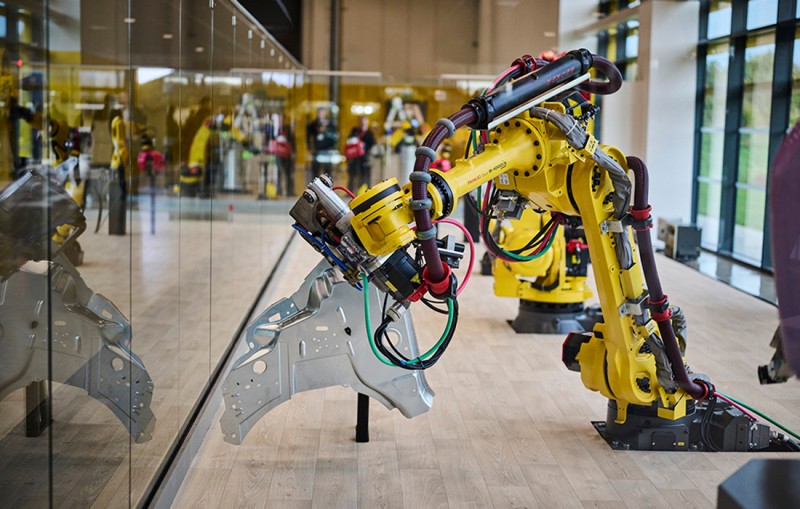
The UK has a strong and proud manufacturing history and, for a small nation, has long punched above its weight on the global stage. Today, the UK remains the ninth largest manufacturing nation in the world, with a £183bn output[1]. But our seat at the top table is looking precarious as a result of our slow adoption of industrial automation. No longer the preserve of Asian powerhouses like China, Japan or the Republic of Korea, the recently published IFR World Robotics Industrial Robots 2022 report reveals that countries far closer to home such as Slovenia, Slovakia, Finland and Hungary are now outpacing the UK when it comes the adoption of robotics. If we are to continue competing on the global stage, it is imperative that the UK’s automation community comes together to support British firms to embrace robotics and ensure our reputation as a nation of manufacturers continues to thrive.
A record-breaking year
As acknowledged in its foreword, the statistics contained in the 2022 IFR report are a strong indication of the vital contribution that robotics is making towards supporting businesses to protect their core production processes against the effects of the numerous global crises that we have experienced over the past few years. A record 517,385 new robots were installed in 2021 – an impressive 31% uplift from 2020. As well as traditional automation adopters such as the automotive, electronics, and metal & machinery industries, advances in robotic capability through digitalisation and AI have seen sectors such as warehousing and logistics also begin deploying automated solutions.
UK bucks the global trend
Robotics has a key role to play in enabling manufacturers from all countries to remain agile, cost efficient and globally competitive, and the fact that 2021 saw the highest number of new robot installations on record is particularly encouraging. But, from a UK perspective, the IFR results were more sobering. At 2,054, the number of new robot installations was down 7% year-on-year, giving the UK an average manufacturing robot density of 111 robots for every 10,000 employees, which the report notes is ‘very low for a Western European country’. This figure is well below the global average of 141 and considerably under the top performing nation of the Republic of Korea (1,000) and the European frontrunner, Germany (397). In fact, the UK is currently languishing at 24th in the world robot density rankings, making us the only G7 country to sit outside the top 20.
Boosting productivity
The UK’s position as a leading manufacturing nation is unquestionable; but we could increase our productivity levels significantly if we used more automation. To put it into context, many countries have a manufacturing industry that accounts for a similar 10% GDP as the UK (the USA, the Netherlands, Denmark and Sweden, for example); but their productivity rates are higher than ours as a result of their greater investment in automation. Astonishingly, a German worker is around 30% an hour more productive than a UK worker – put simply, we cannot expect to continue competing on the international stage unless we automate.
Labour crisis
The need to automate has become even more imperative in the last few years in the face of a series of unprecedented global and national crises, which have impacted UK manufacturers’ ability to recruit staff. Already facing a labour shortfall, a perfect storm of Brexit and the Covid pandemic prompted an exodus of European labour from our shores, contributing to the 97,000 vacancies in the manufacturing sector reported in January 2022 (a year-on-year increase of 113%)[2]. As well as this ‘cost of leaving’ crisis, the country is also facing a cost of living crisis, which has seen manufacturers grapple with rising bills for energy, transport and raw materials.
Recruiting hard-to-find manual labour while managing increasing costs is a difficult balancing act, but it can be alleviated through automation. By using robots to do the dull, dirty and dangerous tasks, automation enables manufacturers to make better use of their human employees, upskilling them to boost recruitment and retention rates while increasing productivity.
A bright future
The outlook, therefore, is brighter than it may currently appear. In 2015, robot density in the UK was just 71 robots per 10,000 employees – the current figure of 111 demonstrates a 56% increase, and this is reflected here at FANUC UK in our healthy order book going into 2023.
The UK already boasts world class engineers, world class machine tool builders, world class integrators and a world class workforce. To retain our reputation as a nation of world class manufacturers, we now need to support firms to implement world class automation technology.
source: www.machinery.world
-
Almost all of Africa’s maize crop is at risk from devastating fall armyworm pest, study reveals

Scientists from the University of Minnesota’s GEMS Informatics Center, and CABI’s Dr Roger Day, Global Advisor, Plant Health, have highlighted how almost the entire African maize crop is grown in areas with climates that support seasonal infestations of the pest.
The researchers assembled 3,175 geo-tagged occurrences of the fall armyworm worldwide and use that data in conjunction with information about the physiological requirements of the pest to spatially assess its global climate suitability.
They also found that almost 92% of Africa’s maize growing areas support year-round growth of fall armyworm. Alarmingly, 95% of the crop is also deemed climatically suitable for fall armyworm and at least three or more pests such as the maize stalk borer, Western corn rootworm and Asiatic witchweed.
Starkly, over half (52.5%) of the African maize area believed suitable for fall armyworm is at further risk from an additional nine pests, while over a third (38.1%) of the area is susceptible to an additional 10 pests.
Dr Senait Senay, lead author from the University of Minnesota, said, “The spatial concurrence of climatically suitable locations for these pests raises the production risk for farmers well above the risks posed from fall armyworm alone.”
“This constitutes an exceptionally risky production environment for African maize producers, with substantive and complex implications for developing and implementing crop breeding, biological, chemical and other crop management strategies to help mitigate these multi-peril risks” notes Professor Phil Pardey, co-lead author of the study.
Outbreaks of fall armyworm in Africa were first observed in southwest Nigerian maize fields in January 2016 and thereafter in Benin, Togo São Tome and Principe. Since then, the pest has spread to more than 40 African countries including Ethiopia, Kenya and Tanzania.
In 2021, CABI scientists conducted the first comprehensive study on the economic impact of a range of Invasive Alien Species (IAS) on Africa’s agricultural sector which they estimated to be USD $65.58 billion a year. They established that the fall armyworm alone caused the highest annual yield losses at USD $9.4 billion.
Dr Day said, “Climates that favour maize production are also seasonably suitable for fall armyworm infestations — not just in Africa. Indeed, around half of the world’s maize area, mostly in the moist and warm tropical locales, is also likely to sustain the development of fall armyworm year-round.
“Strategies to deal with fall armyworm, or any other crop pest are best conceived and executed from a multi-peril pest perspective — especially as part of an Integrated Pest Management practice — rather than a piece-meal, pest-by-pest approach.”
The study, which is part of a broader GEMS informatics effort concerning Global Pest Risk Analytics, concludes by suggesting that crop management may benefit more from genetic solutions and environmentally friendly biological control agents.
These, they say, require less frequent and timely trips to markets to secure necessary fungicides/insecticides as seasonal pest infestations unfold.
However, they also admit that while IPM practices constitute another, often complementary, strategy for controlling crop pests — especially in tropical regions where natural enemies can have year-round survivability, IPM is not widely adopted in the developing world.
Dr Senay added, “A multi-peril pest risk approach can be used to both benchmark future multi-peril pest risk assessments — under prospective changes in climate — while also informing current and nearer-term strategies to target market and government resources.”
“This can be done in ways which have the most beneficial effect in mitigating the complex of crop pests that pose the most risk for farmers growing particular crops in particular locales.”
source: www.sciencedaily.com
-
AquaChemie opens petrochemical terminal in Jebel Ali Port, Dubai
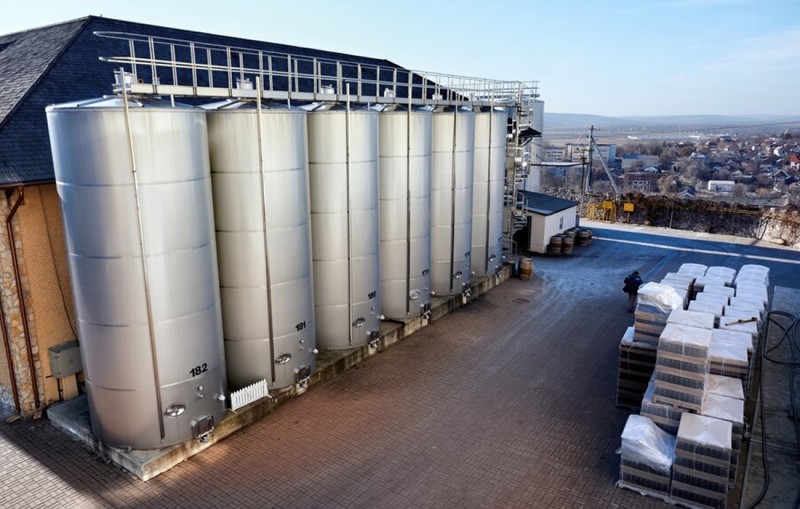
DUBAI, UAE: AquaChemie Middle East, part of the UAE-based AquaChemie Group, has formally inaugurated its world-class petrochemical terminal in DP World’s Jebel Ali Port in Dubai.
The advanced $50 million (AED 184 million) terminal will be one of the most functional and versatile bulk liquid terminals in the GCC region serving as a vital gateway to facilitate and boost the growing petrochemical trade between manufacturers and end-users across the Middle East and globally.
The state-of-the-art terminal would help Indian customers find easier and faster access to petrochemical products, primarily from Saudi Arabia and other GCC manufacturers, to meet growing demand in India. With a transit time of 3-4 days between the two countries for chemical tankers, the Jebel Ali storage terminal is well connected to all major ports and logistics hubs in India.
This will increase the efficiency and cost-effectiveness of importing petrochemical products into India. Moreover, Indian manufacturers and suppliers could effectively export in bulk to the Middle East, Europe and Africa.
AquaChemie commissioned Mott MacDonald for the new facility’s design detailed engineering and project management, with the region’s leading mechanical, electrical, instrumentation and civil contractors also being on boarded for the project’s completion in record time.
The foundation of the Petrochemical Terminal was laid on 23 November, 2020, with the new facility being awarded its Operation Fitness Certificate (OFC), along with all of the required regulatory certifications from Dubai Civil Defense and DP World on 18 January 2023.
The facility has been fully CDI-T (Chemical Distribution Institute – Terminal) assessed and is ISO 9001:2015, ISO 14001:2015, and ISO 45001:2018 certified. The terminal has already serviced the first vessel carrying chemicals.
The Chemical Terminal covers an area of 20,000 square metres and is located some 500 metres from Chemical Berth 4 in Jebel Ali Port. The new facility is linked by five SS pig-gable jetty pipelines, making it one of the most functional and versatile bulk liquid terminals in the GCC region.
With a total storage volume of over 34,000 cubic metres, the 26 large tanks in tank-farm A, B, C, and D are well equipped to handle over 100 UN Class 3 and 8 chemicals. The terminal has three tanker truck loading bays for top and bottom loading of tankers and ISO tanks, five semi-automatic drumming lines, a warehousing facility with over 6,300 drums, a dedicated ISO tank storage area, and a weigh bridge at the truck entry point.
The terminal is fully monitored and controlled from a central control room. AquaChemie’s corporate headquarter building is located on the same site as the terminal facility, so as to allow the leadership team to stay in close proximity. The corporate building houses the terminal’s operation control room, support and sales staff offices, dining and recreation areas, management office and board room.
“It took us over four years to bring the AquaChemie terminal from concept to reality. We are thankful to have met such capable collaborators along the way who assisted us in shaping it. We pledge to our customers, employees, investors, and neighbours that we will conduct business in the safest, most environmentally and socially responsible manner possible, for both current and future generations,” said Saha.
“AquaChemie group’s revenue target for the new terminal over the next three years is $300 million (AED1.1 billion). The storage facility has been built primarily for AquaChemie’s captive distribution of products. It strengthens the business case for chemical supply by increasing economies of scale, lowering freight costs, and expanding into new industries and geographies,” said Saha.
Petrochemical manufacturers and end-users are located globally. In terms of packing volumes and the geographic location of the manufacturer and end-user industry for petrochemical products, there is a significant supply chain gap. The new terminal, which is essentially a break-bulk facility, now fills the supply chain void by serving as a strategic hub for the liquid petrochemical trade and distribution.
With the new facility the petrochemical sector also gets to avail of expanded opportunities in the local ecosystem involving logistics, transportation, and other service providers.
“Our new state-of-the-art terminal is a step towards backward integration of our current oil and gas offering for the upstream and downstream petrochemical sectors. The supply reliability and lower supply chain cost will immensely benefit our existing customers as chemicals will be delivered on time so that the customers’ operations are not disrupted,” said Kumar.
“The new terminal will also assist in the formation of strategic alliances with regional and global manufacturers of petrochemicals, in order to distribute bulk products to customers in smaller packaging. To maximise capacity utilisation and partially offset operation costs, a few tanks in the new facility will be leased for third-party storage. Chemicals hold enormous promise for the region. We hope, humbly, to contribute to this value chain,” added Kumar.
“I am especially excited about our combined offering of a centrally located storage terminal supplemented by local setup in each Middle Eastern country. We will become a dependable chemical product supplier all year round, and serving on all days. Our new facility now enables the storage of several new products with improved pricing and availability for end-users,” said Snehal Karia, VP Business Development of AquaChemie.
“Outsourcing operations to MDR’s professional team, internationally recognised for process facility operation, has simplified my job,” said Vishal Patel, GM Terminal of AquaChemie.
China, the United States, Russia, Saudi Arabia, and South Korea are amongst the top six countries, by volume, producing bulk petrochemicals worldwide. The global petrochemical market is expected to reach $5.4 trillion by 2027, growing at a CAGR of 4.1 percent during the forecast period.
source: www.worldofchemicals.com
-
This micro-LED advancement is exactly what AR and VR needs

Recent advances in microLED technology could significantly improve AR glasses and VR headsets in the future, according to some new research from MIT.
The report claims that vertical stacking could allow for microscopic pixels that provide full color in just 4 microns.
Head-mounted displays have, so far, relied on the same type of screens found in smartphones, tablets, and laptops. But these stacked micro-LEDs could challenges the way VR headsets are built in the future — and greatly expand their visuals.
Stacked micro-LEDs can increase resolution compared to the current method of placing red, green, and blue sub-pixels side by side to create each full-color pixel.
The resulting micro-LED display could theoretically have a resolution of 5,000 pixels per inch (PPI). That’s about 10 times the pixel density of your smartphone. While this resolution would serve no purpose on a screen held at arm’s length, it should greatly improve the quality of displays that are about an inch from your eye. VR displays can suffer from the screen door effect where the pixel grid pattern is apparent.
Micro-LED displays also enjoy higher efficiency and improved contrast compared to LCD panels that require backlighting. Even mini-LED backlighting can’t compare since the light source is about one hundred times larger. That’s why you can sometimes see blooming around high-contrast areas in a mini-LED display.
The only competing technology that might be able to match the contrast and density is full-color microLED; however, OLED degrades much more rapidly over time.
MIT researchers are making good progress on vertically stacked microLED displays, having demonstrated a working stacked pixel. They’ve also designed a manufacturing process that reduces waste despite the challenges of working at such a small scale. The next hurdle is to develop a system that can individually control a vast array of these full-color microLEDs.
The transition from the lab to manufacturing is almost impossible to predict, but this is undoubtedly good news for the future of AR glasses and VR headsets.
source: www.digitaltrends.com
-
Subscribe
Subscribed
Already have a WordPress.com account? Log in now.
 Site Title